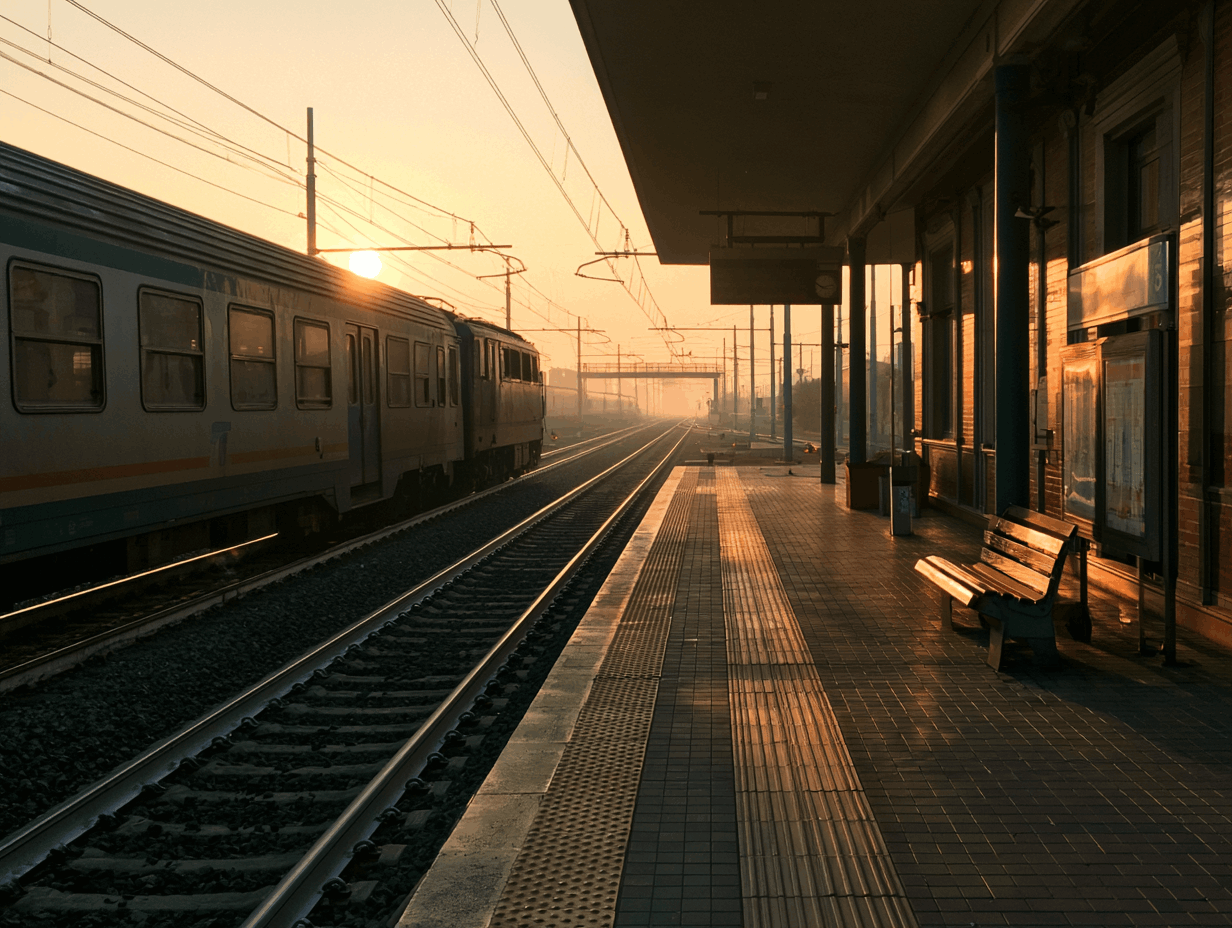
Italy runs on a mix of efficient main lines and more flexible regional networks, and knowing the difference early saves a lot of first day friction. Long distance trains connect the larger cities with reasonable speed and frequency. Regional services fill the gaps between smaller towns and move at a slower, more local pace. Both systems share stations in most places, so the same building often serves very different kinds of journeys.
Tickets work on a simple logic once you see it. For the faster intercity services it pays to buy ahead, especially in busy seasons, because prices rise closer to departure and some trains sell out. Regional tickets stay more flexible. You can usually purchase them on the day, either from machines or the counter, and the cost remains fixed. Validation matters. On many regional routes you need to stamp the ticket before boarding, otherwise a fine can appear even if you paid. The machines for that sit near the platforms and take only a second.
Station habits take a little watching. Platforms are announced on boards that update regularly, though last minute changes still happen. Signs use a mix of Italian and English in the larger hubs, less so in smaller ones. Luggage space exists but fills fast on popular services, so keeping bags close remains wise. People tend to board in a fairly orderly way once the doors open, yet the scramble for seats can feel sudden. Quiet carriages exist on some longer trains and are worth seeking if you prefer less conversation around you.
Regional buses cover the routes that trains skip, especially in rural areas and along certain coasts. They leave from stops that are not always obvious at first glance, often near the train station or a central square. Timetables can be posted on paper or on a simple board, and frequencies drop outside peak hours and on Sundays. Tickets are often bought on board or from a nearby shop, and exact change helps. Drivers expect you to signal clearly when you want to get off.
The first day goes smoother when you build in a little buffer. Arriving at the station twenty minutes early leaves room for finding the right platform and sorting tickets without rush. Keep some cash for smaller purchases and for buses that still prefer it. Learn a couple of basic phrases for asking directions, even if the pronunciation is imperfect. Most staff respond with patience when they see the effort. The system rewards those who watch the boards, validate when needed, and accept that not every connection will run like clockwork. Once that rhythm clicks, moving around the country becomes far less complicated than it first appears.