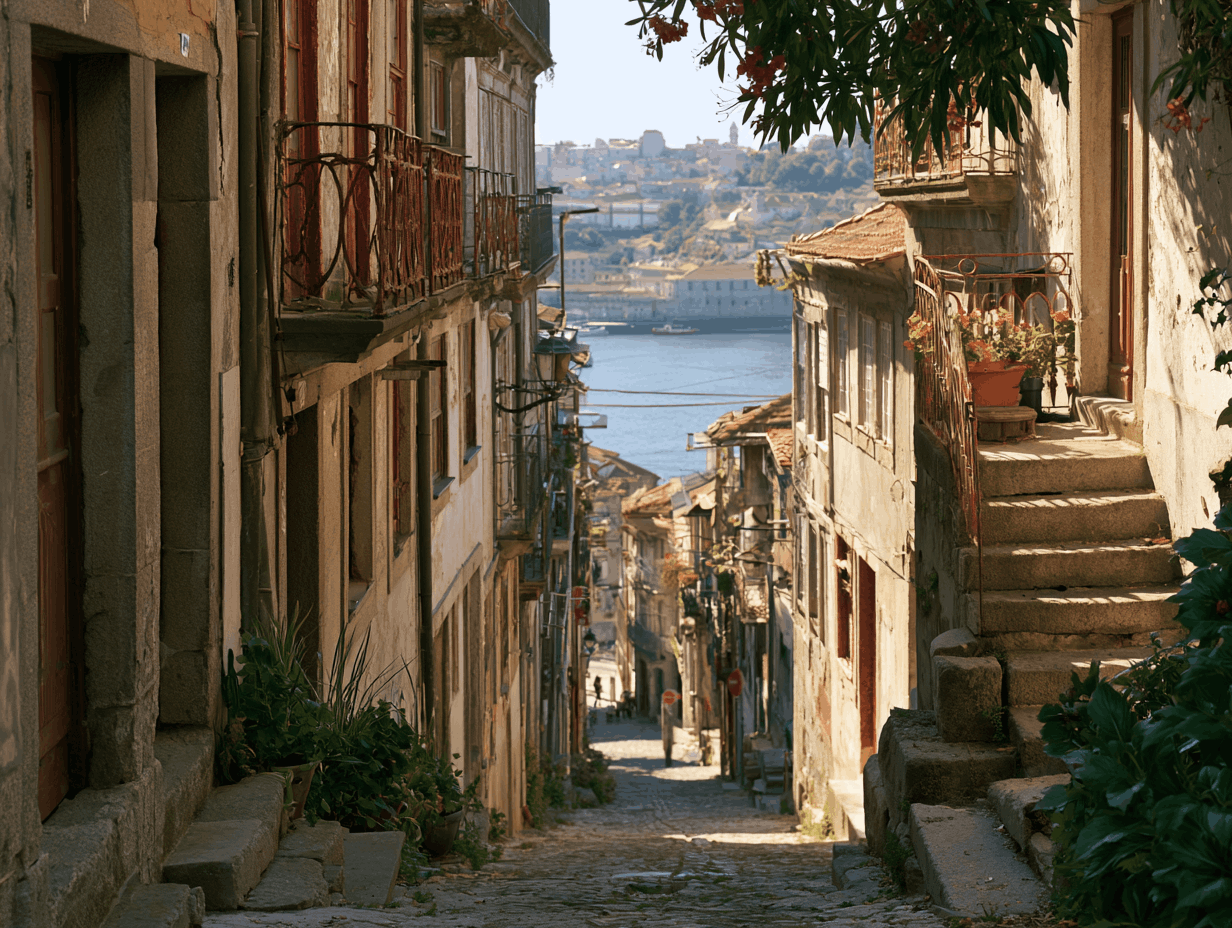
Portugal feels like a country that moves at its own pace, and that shows up in almost every part of daily life. People tend to linger over coffee, conversations stretch longer than you might expect, and meals are rarely rushed. Lunch can easily run past two in the afternoon, especially outside the bigger cities. Evenings start later too, with dinner often closer to eight or nine. The rhythm is relaxed but not lazy. Locals still get things done, they just do it without the constant hurry you find further north.
Family remains central. Weekends often mean gathering around a long table, and older generations still hold a quiet authority in many households. You notice this in the way people greet each other, with genuine interest rather than quick formalities. Religion plays a softer role than in some neighbouring countries, yet processions and local saints days still mark the calendar in smaller towns. Music, especially the melancholic sound of fado, sits in the background of many evenings, though you will hear it more in certain districts than others.
Seasons shape the experience more than most visitors realise. Spring, roughly March through May, brings mild temperatures and green landscapes, though rain can appear without much warning. Summer is reliable for sunshine, particularly along the south coast, but July and August pack the beaches and push prices higher. September often feels like a sweet spot, warm sea, fewer crowds, and light that softens earlier in the evening. Winter stays mild by European standards in the south, while the north and interior can turn damp and cooler. Mountain areas see occasional frost, and the islands follow their own pattern, with Madeira staying relatively mild year round.
Key regions each carry a distinct character. The north around Porto feels more industrial and straightforward, with granite buildings and a stronger working day rhythm. The centre holds Coimbra and the university energy, plus rolling countryside that still feels rural. Lisbon and the surrounding area mix capital intensity with nearby coastal escapes. The Algarve in the south is the sun destination most people picture first, all cliffs, beaches and resort towns. Further inland the Alentejo stretches wide and quiet, with cork trees and whitewashed villages. The islands, Madeira and the Azores, sit apart both geographically and in atmosphere, greener, wetter, and shaped by different histories.
First time visitors often stumble on a few predictable points. Many expect everything to run on strict schedules and then feel frustrated when buses or smaller trains lag. Cash still matters in markets and some rural spots, even if cards work fine in cities. Tipping is appreciated but not demanded the way it is elsewhere. People can seem reserved at first, especially in the north, and that sometimes gets read as unfriendliness when it is simply a quieter style. Another common slip is underestimating distances. The country looks compact on a map, yet winding roads and limited public options in certain areas stretch travel times. Booking accommodation last minute in peak summer rarely ends well, and assuming every beach will be empty outside July is optimistic.
Practical notes help more than long lists. Learn a few basic phrases. Locals respond warmly when you try, even if the pronunciation is rough. Watch the siesta like habits in smaller places, some shops close for a couple of hours in the afternoon. Keep an eye on the weather apps for the Atlantic coast, fog and sudden showers appear more often than the postcard images suggest. And give yourself time to slow down. The country rewards those who stop treating it like a checklist.