phdgy-51dfed-ef0b63
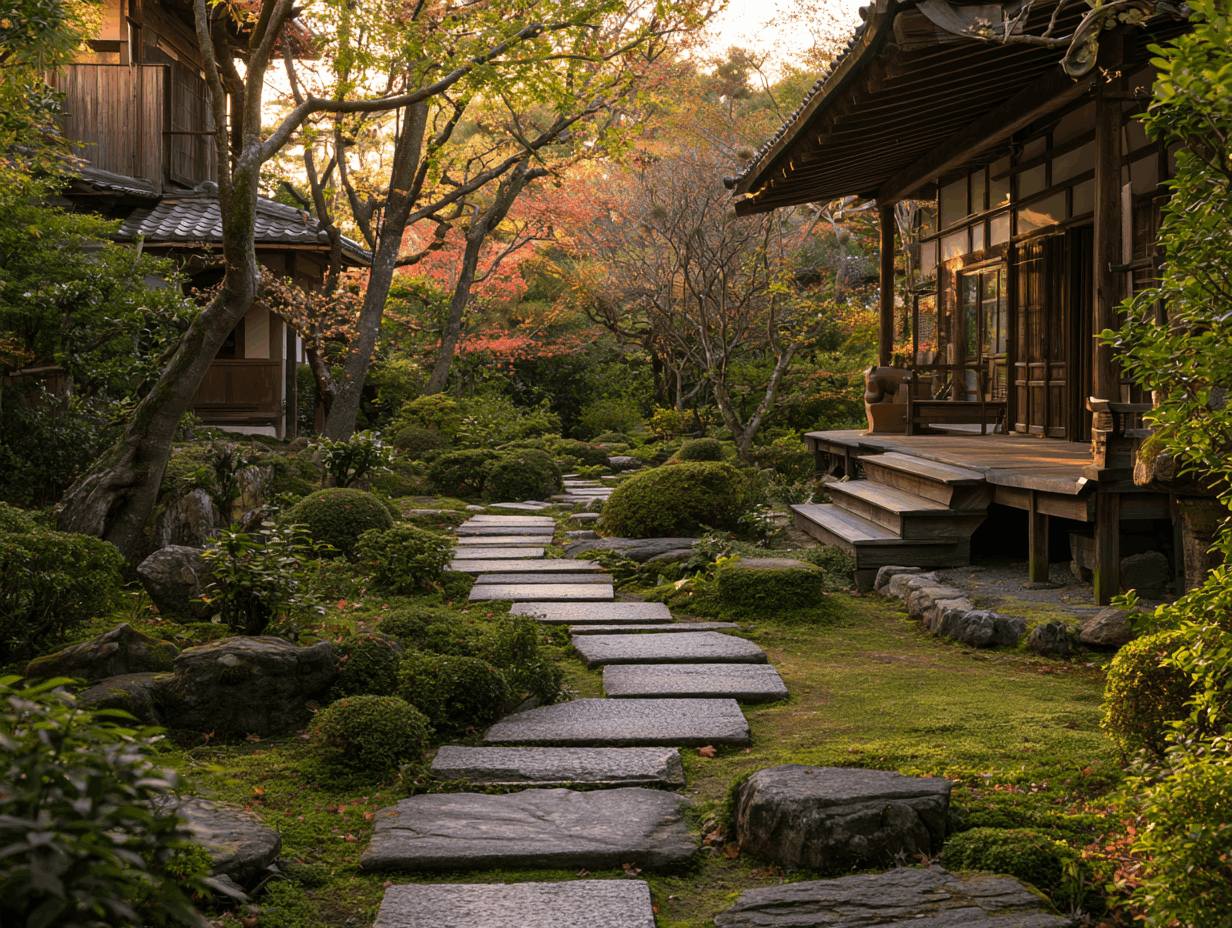
Kyoto’s main temple routes fill early and stay busy through the afternoon. A quieter circuit is possible if you leave the well marked paths and link a few lesser visited sites with ordinary residential streets. One day is enough when the sequence stays compact and the pace stays steady.
Begin on the eastern side where the hills rise gently. A smaller temple complex sits a short walk from the busier approach roads. The entrance is plain, the garden modest, and the main hall receives far fewer visitors. Paths here are stone and slightly uneven, shaded by trees that keep the temperature lower. From the back gate a narrow lane leads between wooden houses and garden walls. The street stays local. Delivery bikes pass, older residents sweep their doorways, and the tourist flow remains distant.
Continue north along connecting alleys rather than the main boulevard. Another temple appears after fifteen or twenty minutes. Its grounds open wider, with a pond and simple gravel paths that invite slower walking. The buildings show the usual dark wood and curved roofs, yet the atmosphere stays calm even near midday. A side exit drops you onto a quiet slope that climbs a little before levelling into a residential pocket. Houses here have low fences and well kept plants. The sound of the city fades.
Further along the same general direction a third site waits, reached by a path that follows a small canal for a stretch. The water moves slowly and the banks are green. This temple feels almost tucked away. Few signs point to it from the larger roads, and the visitors who find it tend to speak softly. The main garden can be walked in a short loop, and the surrounding trees give useful shade. From here the return toward the centre can follow ordinary streets that pass small shops and local eateries. The contrast with the crowded temple districts is immediate.
Practical points remain simple. Start early enough to catch the first sites before the general movement begins. Comfortable shoes handle the stone paths and occasional steps better than anything else. A light bottle of water is enough for most of the day. Public transport can drop you near the starting point and collect you later, though the walking itself forms the better part of the circuit. Meals work well when they stay small and local rather than planned around specific restaurants. The route does not need constant checking. Once the three anchors are set, the quieter streets between them carry the rest of the day. Kyoto rewards this kind of loose sequence more than any attempt to see every famous gate.