vzvyr-7760a2-73f89a
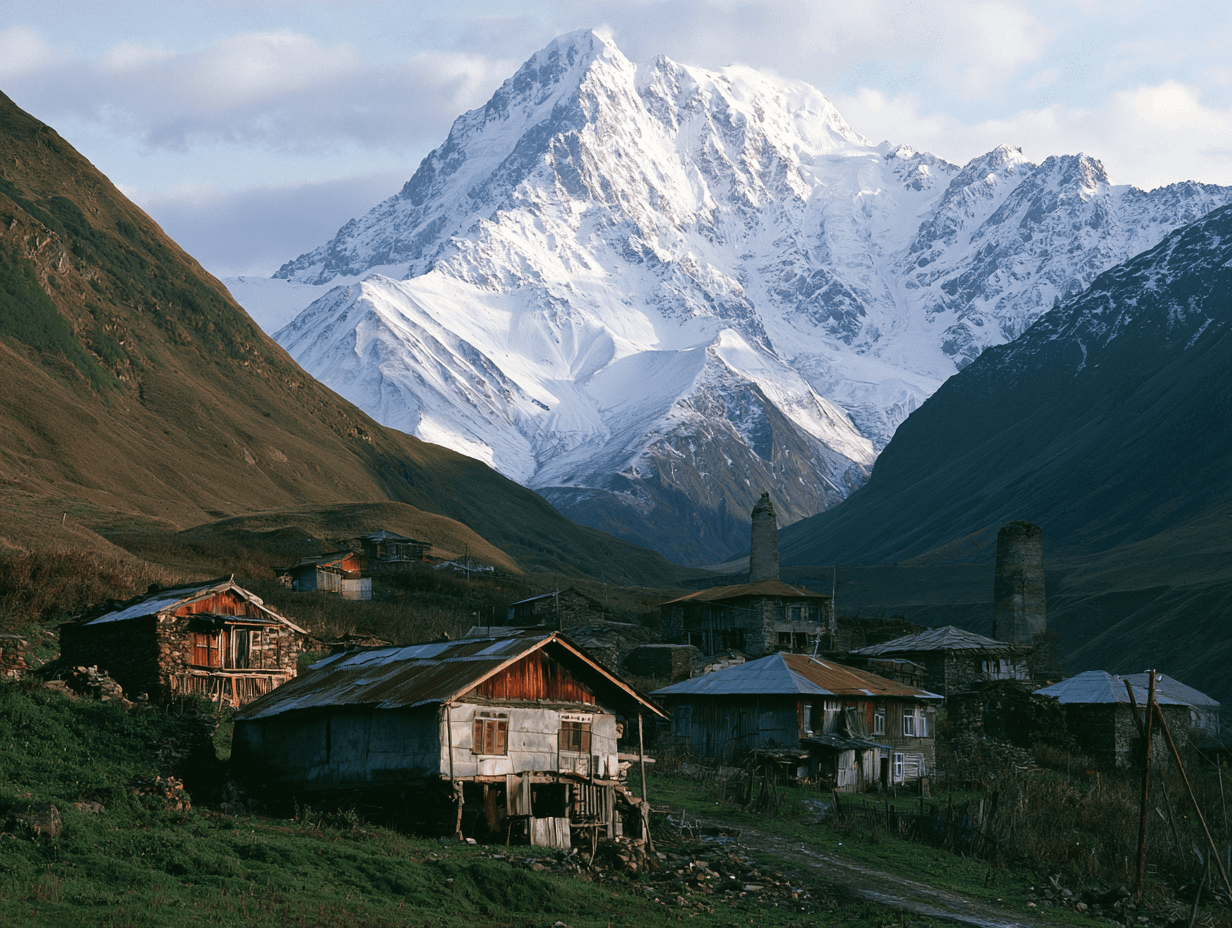
Georgia sits between the Caucasus ranges and the Black Sea, and that geography shapes almost every part of the travel experience. Mountains dominate the north and east, while the west opens toward milder coastal air. The country feels compact yet the terrain stretches distances in ways a flat map never shows. Independent travellers who respect the landscape and the local pace usually leave with stronger impressions than those who try to rush it.
Climate windows matter more than the calendar alone suggests. Spring from April into early June brings green slopes and wildflowers, though higher passes can still hold snow. Summer stays warm in the lowlands and along the coast, while the mountains offer cooler air and clearer views. July and August see more visitors in the main valleys, yet the higher trails remain quieter if you start early. Autumn turns the forests gold and red, especially in the east, and the weather often holds steady into October. Winter closes many mountain roads and can feel damp in Tbilisi, though the ski areas further north stay active. Rain falls more often in the west, so packing a light waterproof layer pays off even in summer.
Regional differences run deep. Tbilisi mixes old neighbourhoods with newer energy, traffic that moves in its own way, and a nightlife that starts late. The wine regions east of the capital open into rolling hills and family vineyards where meals stretch for hours. Further north the mountain communities keep older traditions and a more direct style of hospitality. The west toward the Black Sea feels greener and wetter, with a different food culture and slower daily rhythm. Remote valleys demand more planning, fewer buses, and a willingness to accept that schedules shift when the weather decides.
Cultural habits show up quickly. Guests are treated with real attention, and refusing a second helping or a glass of wine can take some careful phrasing. Meals often arrive as shared plates, and the table stays the centre of conversation long after the food is finished. People speak directly yet with warmth, and eye contact carries weight. Religion remains visible in daily life, with churches and monasteries still active rather than purely historic. Music and toasting form part of many gatherings, though the formality of those moments varies by region and company.
Practical tips for independent travel stay simple. Public transport covers the main routes but thins out in the mountains, so shared taxis or private drivers fill the gaps. Cash remains useful outside the larger towns, even as cards spread. Roads can be narrow and winding, and driving after dark in remote areas is best avoided. Learning a few basic phrases opens doors faster than expected. Accommodation ranges from family guesthouses to simple hotels, and booking ahead helps in the peak summer weeks. The biggest adjustment is accepting that things move at a local pace. Delays happen, plans stretch, and the best moments often arrive when the schedule loosens. Georgia rewards those who leave space for the unexpected rather than filling every hour in advance.